Getting enough quality sleep is essential for physical recovery, mental performance, mood, and overall well-being. Yet occasional difficulty falling or staying asleep is common, leading many adults to explore different nighttime routines and wellness products. One option that continues to attract attention is Cannabis for Sleep.
Cannabis has long been associated with relaxation and drowsiness, but its relationship with sleep is more complicated than the popular idea that cannabis automatically guarantees a great night’s rest. Cannabinoid content, dosage, tolerance, frequency of use, product type, and individual biology can all influence the experience.
So, what does the evidence actually suggest? This guide separates common myths from known facts about Cannabis for Sleep, examines THC and CBD, discusses potential benefits and limitations, and highlights important considerations for responsible adult consumers.
Why Are People Interested in Cannabis for Sleep?
There are many reasons people may struggle to sleep. Stress, inconsistent schedules, caffeine, environmental disturbances, screen exposure, and lifestyle habits can all interfere with a healthy sleep routine.
Because some cannabis products can produce relaxation or drowsiness, it’s understandable that consumers have become interested in using them at night.
Some adults report that cannabis helps them unwind, feel calmer, or fall asleep more easily. However, individual experiences vary considerably.
Importantly, feeling sleepy after consuming cannabis doesn’t necessarily mean that every aspect of sleep quality has improved. Researchers continue to investigate how cannabinoids influence sleep architecture, including different stages of the sleep cycle.
Understanding THC and Sleep
THC, or tetrahydrocannabinol, is the primary intoxicating cannabinoid in cannabis.
Depending on the dose, individual, and product, THC can produce effects including relaxation, altered perception, euphoria, and drowsiness. These effects help explain why THC-containing products are frequently associated with nighttime cannabis use.
Some research suggests cannabinoids may influence sleep onset and certain aspects of sleep architecture, but the evidence remains mixed and depends on factors such as dose and duration of use.
Higher THC content also doesn’t automatically mean better sleep.
Too much THC can produce unwanted effects such as anxiety, dizziness, increased heart rate, impaired coordination, or next-day grogginess in some people. Finding a product with the highest possible THC percentage should therefore never be treated as the goal when exploring Cannabis for Sleep.
What About CBD?
CBD, or cannabidiol, is another major cannabis-derived cannabinoid, but unlike THC, it isn’t intoxicating.
Its relationship with sleep is complex.
CBD doesn’t necessarily act as a conventional sedative. Research has investigated its potential effects on anxiety, stress, wakefulness, and sleep, but evidence supporting CBD as a general treatment for insomnia remains limited.
Some consumers nevertheless report that CBD-containing products fit well into their evening routines, particularly when relaxation rather than strong intoxication is their priority.
Products containing both THC and CBD may also feel different from THC-dominant products.
Consumers interested in Cannabis for Sleep should therefore consider the complete cannabinoid profile instead of focusing exclusively on THC.
Fiction: Indica Always Means Better Sleep
One of the most persistent cannabis myths is that every indica is sedating while every sativa is energizing.
The reality is much more complicated.
Traditional indica, sativa, and hybrid labels can provide broad product categories, but they don’t reliably predict exactly how a person will respond. Modern cannabis varieties often have complicated genetic backgrounds, and cannabinoid and terpene composition can differ substantially between products.
Personal tolerance and individual biology matter too.
Rather than relying solely on an “indica” label, look at available information about cannabinoids, potency, terpene content, and the manufacturer’s description.
Fact: Cannabis Affects Everyone Differently
Two people can consume the same cannabis product and report very different experiences.
Body chemistry, cannabis tolerance, consumption history, medications, food intake, product potency, and consumption method can all influence effects.
Someone with significant THC tolerance may experience a product differently from someone who rarely consumes cannabis.
This variability is one of the most important facts to remember when researching Cannabis for Sleep. A product that one consumer describes as deeply relaxing may feel uncomfortable or overly intoxicating to another.
There is no universal cannabis product guaranteed to provide perfect sleep.
How Different Cannabis Products Can Affect the Experience
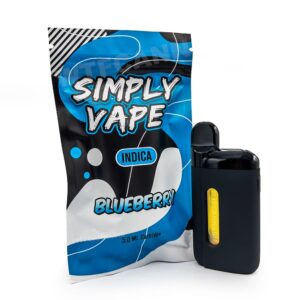
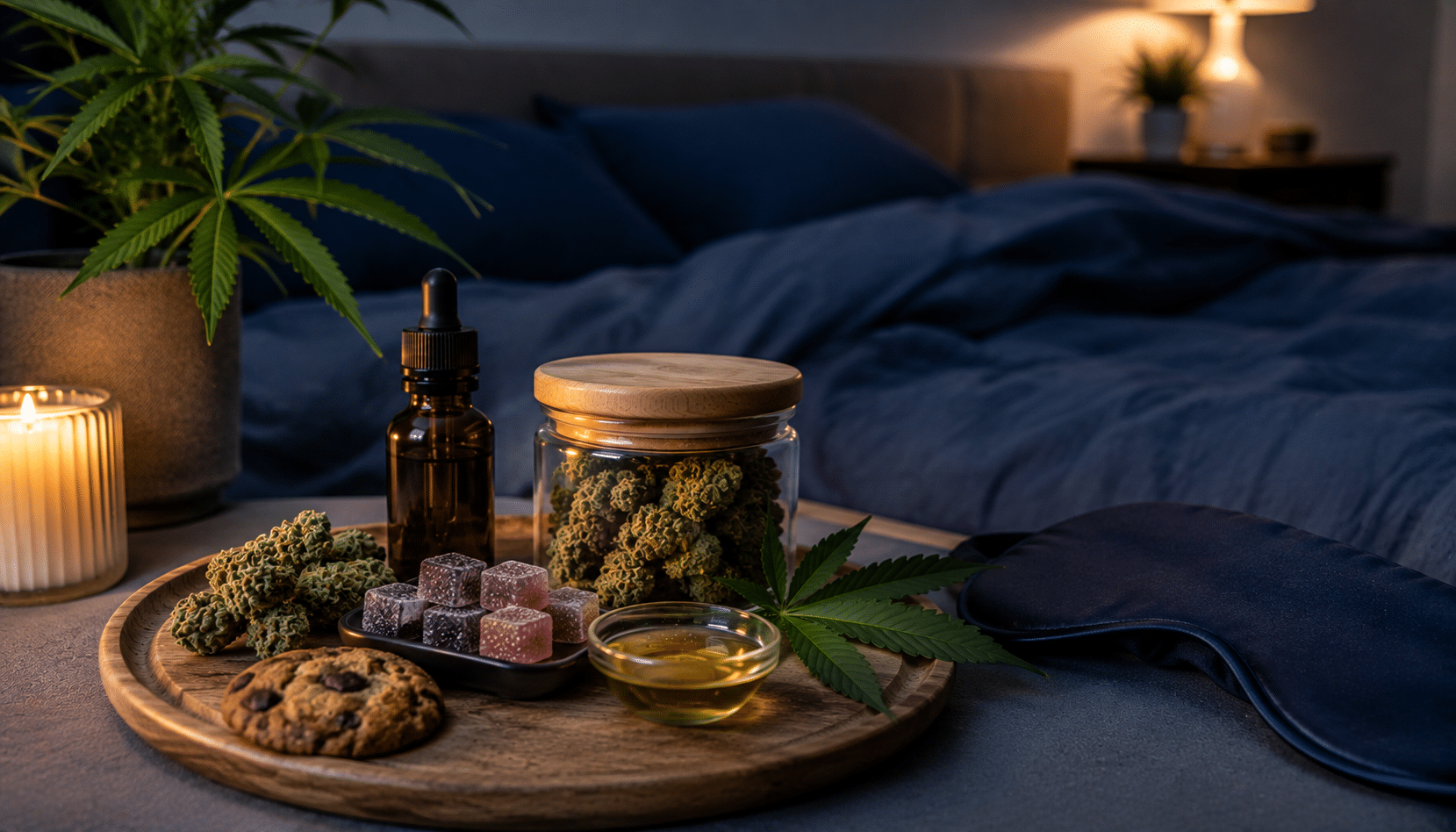
The cannabis market offers many different formats, including flower, vapes, oils, capsules, and edibles.
Inhaled cannabis generally produces noticeable effects relatively quickly, although duration varies.
Edibles work differently because cannabinoids are processed through the digestive system and liver. Effects can take considerably longer to appear and may last much longer than inhaled cannabis.
This delayed onset makes responsible edible use particularly important. Consuming additional THC because the first serving “isn’t working yet” can lead to unexpectedly intense and prolonged effects.
Oils and capsules provide additional alternatives, with onset and duration depending on the specific formulation and how they’re consumed.
Potential Benefits of Cannabis for Sleep
The potential benefits people associate with Cannabis for Sleep generally revolve around relaxation and the subjective experience of falling asleep.
Some adult consumers report benefits such as:
- Feeling more relaxed before bedtime
- Finding it easier to settle into a nighttime routine
- Experiencing temporary drowsiness
- Having an alternative to inhaled products when choosing oils or edibles
- Access to different THC-to-CBD ratios and formulations
However, these are potential or reported benefits rather than guaranteed medical outcomes.
Persistent sleep difficulties can have many underlying causes, and cannabis shouldn’t automatically be assumed to address them.
Can Cannabis Change Your Dreams?
Some regular cannabis consumers report remembering fewer dreams, particularly when using THC frequently.
This observation may relate to changes in REM sleep, the sleep stage strongly associated with vivid dreaming. Research has suggested THC can alter aspects of sleep architecture, although the effects vary with dose, frequency, and duration of use.
Interestingly, people who stop frequent cannabis consumption sometimes report unusually vivid dreams for a period afterward.
This phenomenon may be related to REM rebound as normal sleep patterns adjust following reduced cannabis exposure.
Tolerance Can Change the Effects
Cannabis tolerance is another important consideration.
With frequent THC use, the body can become less responsive to the same amount. Someone may therefore find that a product that initially produced significant drowsiness feels less noticeable over time.
Increasing THC intake isn’t necessarily a good solution.
Higher consumption can increase the likelihood of unwanted effects and contribute to greater tolerance. Frequent use can also lead to cannabis dependence in some individuals.
If you find yourself continually increasing consumption simply to sleep, consider discussing your sleep concerns and cannabis use with a healthcare professional.
Can Cannabis Make Sleep Worse?
Despite its reputation as a nighttime product, cannabis can sometimes have the opposite effect.
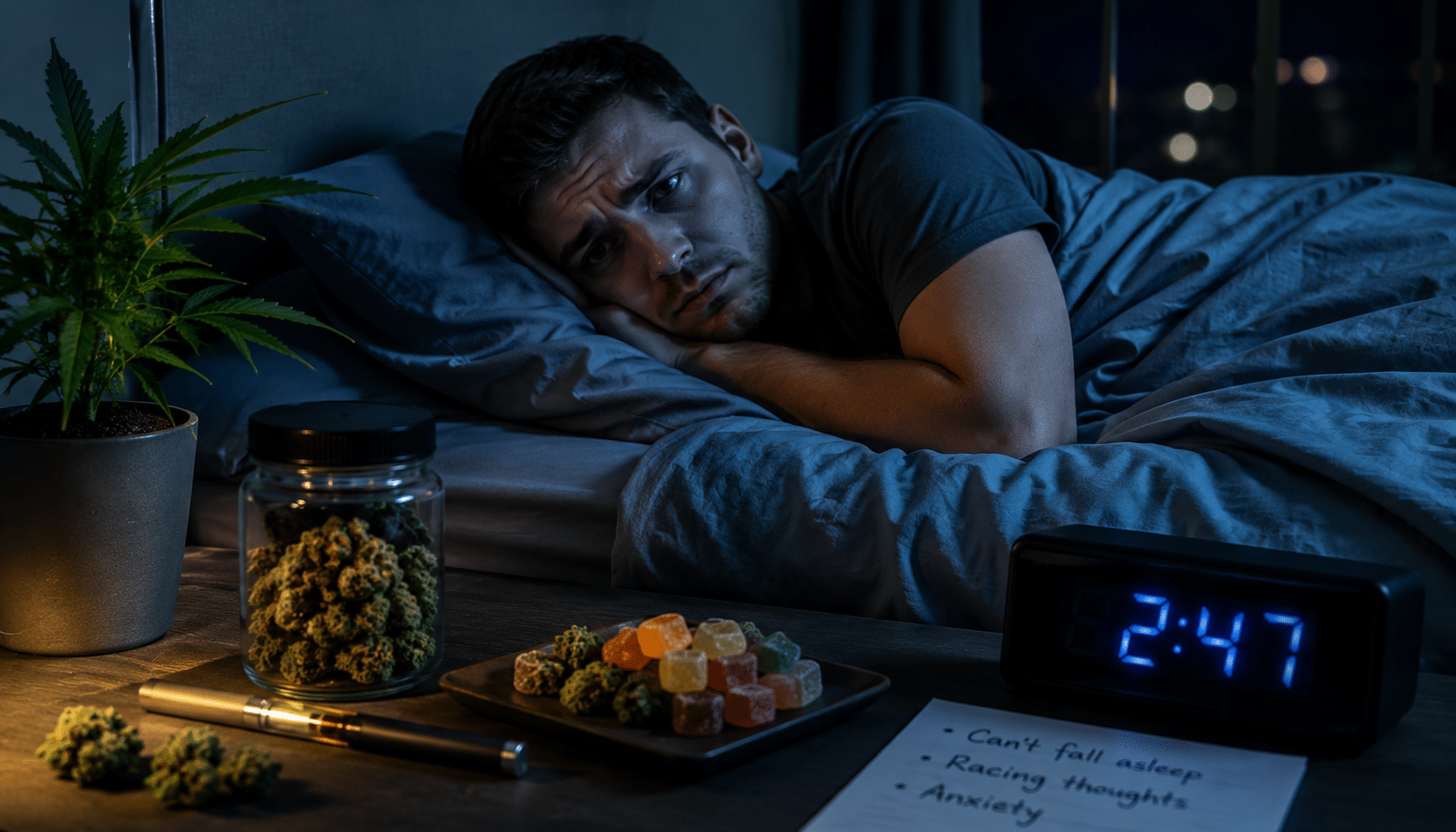
THC may produce anxiety, racing thoughts, discomfort, or an elevated heart rate in some consumers, particularly at higher doses.
Long-term or frequent use can also complicate the relationship between cannabis and sleep. Stopping regular THC use may temporarily lead to sleep disturbances, vivid dreams, or difficulty falling asleep.
This is why discussions of Cannabis for Sleep should include both potential advantages and limitations rather than presenting cannabis as a guaranteed sleep aid.
Cannabis vs. Healthy Sleep Habits
Cannabis shouldn’t replace basic sleep hygiene.
Maintaining a consistent sleep schedule, reducing late-night caffeine, limiting bright screens before bed, keeping the bedroom comfortable, exercising regularly, and developing a relaxing nighttime routine can all support healthier sleep.
These habits address the environment and behaviours surrounding sleep rather than relying exclusively on a substance.
For some adults, cannabis may be one component of an evening routine. It shouldn’t necessarily become the entire routine.
What to Look for When Shopping
Adults shopping for cannabis products should prioritize transparent product information.
Check the THC and CBD content rather than relying only on strain names. If terpene information is provided, it can offer additional context about the product’s composition, although terpene profiles shouldn’t be treated as guarantees of specific effects.
Packaging should clearly identify quantity, potency, ingredients where applicable, and other important product information.
When researching Cannabis for Sleep, be skeptical of retailers or manufacturers promising that a particular product will “cure insomnia” or guarantee eight hours of uninterrupted sleep.
Cannabis products shouldn’t be marketed as miracle treatments.
Responsible Nighttime Cannabis Use
Responsible consumption remains important even when cannabis is being used at home before bedtime.
THC can impair reaction time, coordination, judgment, and attention. Avoid driving or operating machinery after consuming intoxicating cannabis products.
Combining cannabis with alcohol or other sedating substances can increase impairment and potentially create additional risks.
Cannabis should also be stored securely away from children and pets, especially edibles that resemble ordinary candy or baked goods.
Anyone taking prescription medication, experiencing persistent sleep problems, or considering cannabis for a medical purpose should consult an appropriate healthcare professional.
When Sleep Problems Deserve Medical Attention
Occasional poor sleep is different from persistent insomnia or other sleep disorders.
If difficulty sleeping continues for weeks, significantly interferes with daytime functioning, or occurs alongside symptoms such as loud snoring, breathing interruptions, extreme daytime sleepiness, or ongoing mood changes, professional evaluation may be appropriate.
Conditions such as insomnia and sleep apnea can require specific treatment.
Using Cannabis for Sleep without investigating an underlying problem could potentially delay appropriate care.
Final Thoughts on Cannabis for Sleep
The relationship between cannabis and sleep is neither completely fictional nor as straightforward as some marketing claims suggest.
THC can cause relaxation and drowsiness for some consumers, while CBD and other cannabis compounds continue to be studied for their potential influence on sleep and related factors. At the same time, higher THC levels don’t automatically produce better sleep, indica products aren’t universally sedating, and frequent cannabis use can contribute to tolerance and changes in sleep patterns.
Anyone considering Cannabis for Sleep should focus on informed, responsible choices. Understand cannabinoid content, consider individual tolerance, follow product directions, maintain healthy sleep habits, and avoid treating cannabis as a guaranteed cure for insomnia or other sleep disorders.
For Canadian adults interested in exploring cannabis products where legally permitted, Buy Weed is an online dispensary worth considering for its range of cannabis options and convenient shopping experience. Whether you’re researching flower, edibles, concentrates, or other products for an evening routine, Buy Weed provides a convenient destination to explore available options while making informed choices about Cannabis for Sleep.